
See the biggest culprits behind every delayed projects, and how...
October 20, 2026
It’s Thursday evening. Your sponsor wants the status report by Friday, and they want it green.
You know the real colour is amber. Two dependencies have no owner. One developer is booked on two projects at once. And there are three versions of the scope floating around in email.
You could mark it green. You’d get a quiet weekend. But in three weeks, the same problems would come back bigger, and this time everyone would ask why nobody saw them coming.
If you’ve run delivery for a while, you’ve lived this moment. I have too, many times. Here’s what I’ve learned: teams that try to go fast before they are stable end up going slow. The fix isn’t working harder. It’s getting a few basics right first.
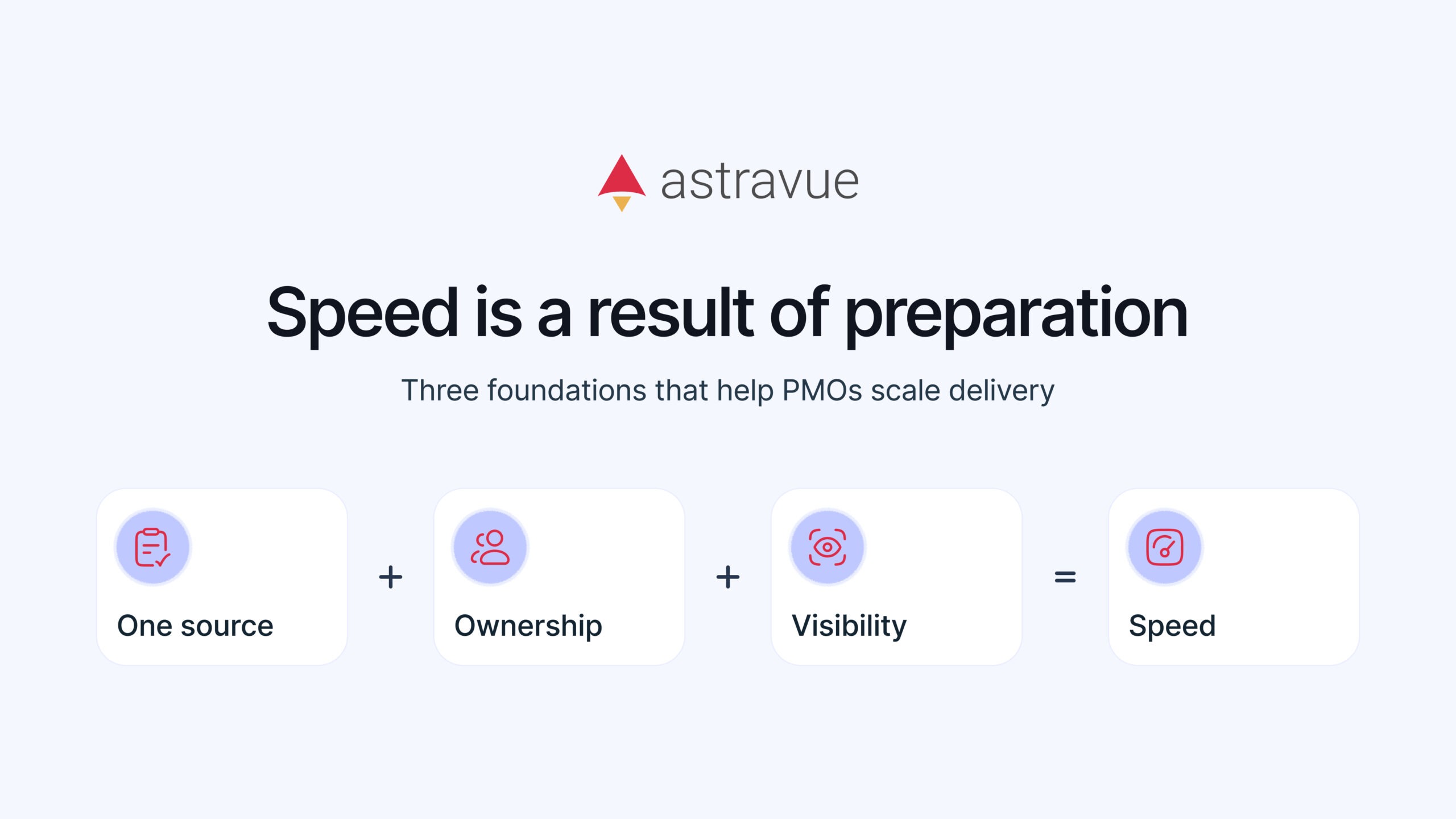
What does “stability before speed” mean for a PMO? It means making delivery predictable before you make it faster. In practice, that’s four things: every task lives in one place, every piece of work has one named owner, everyone can see status and workload without asking, and the team follows the same simple rhythm each week. Once those are in place, you can take on more work without things breaking.
Think about a small restaurant serving 20 people on a quiet weekday. The chef can taste every plate. If something goes wrong, they fix it on the spot. Nobody needs a system.
Now think of that same kitchen on a Saturday night with 200 people waiting. If the chef still tries to taste every plate, food goes cold and orders get lost.
Good kitchens survive Saturday because of two habits:
In a delivery team, the PMO or project manager is the person at the pass. Your job isn’t to do every task. It’s to make sure the whole team can work at volume without bumping into each other.
And here’s the lesson most teams miss: no good chef adds ten new dishes to the menu before the kitchen can handle the five it already serves.
This isn’t just my opinion. In May 2026, PMI published its Pulse of the Profession report, based on more than 2,500 project professionals in 35 countries. A few findings stood out to me:
In plain words: complexity is not going away, and the teams that win are the ones with a steady way of working underneath.
Here’s how the kitchen habits translate to a delivery team. If you only fix one thing this quarter, start at the top.
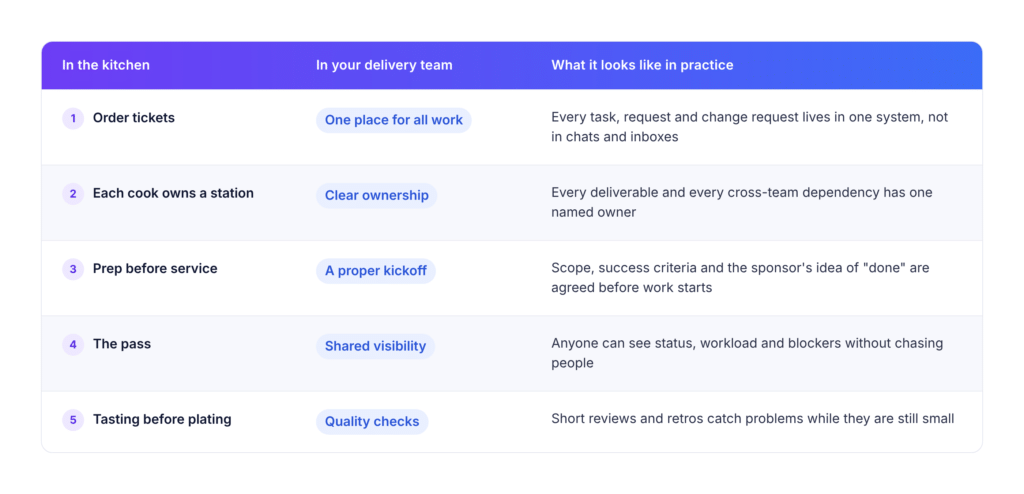
The kickoff row is the one teams skip most. A ten-minute talk with the sponsor about what success looks like can save you weeks of rework later.
Tick the ones that sound like your team:
If you ticked three or more, don’t take on more projects yet. Adding speed now will only make the cracks wider.
A fine-dining restaurant and a busy roadside dhaba both need discipline. But they don’t run the same way, and they shouldn’t.
Delivery teams are the same. A process that works for an in-house product team can frustrate a client services team that lives by external deadlines. A heavy approval process can choke a small team that has only just started to grow.
So before you roll out any framework, spend two or three weeks just watching. Notice:
Then shape the process around what you see. People follow a process they helped build. They work around one that was handed to them.
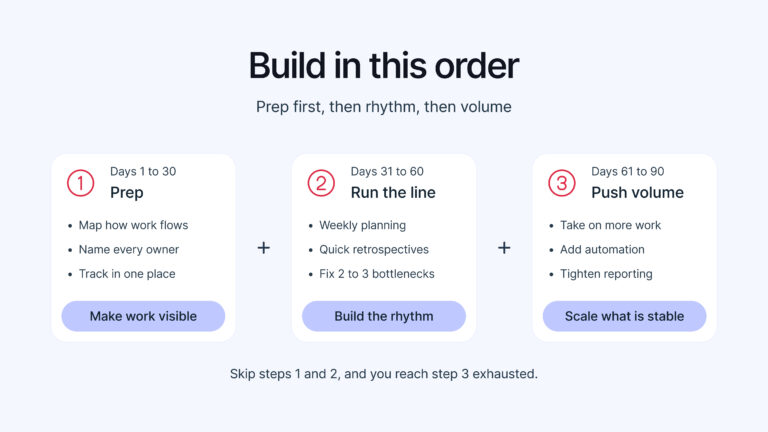
You don’t need a big transformation programme. You need three steps, in this order.
Most teams want to jump straight to step three. The ones that do usually arrive there tired, and with the same problems they started with.
A tool won’t fix a team that has no basics. But once the basics exist, the right tool keeps them from slipping.
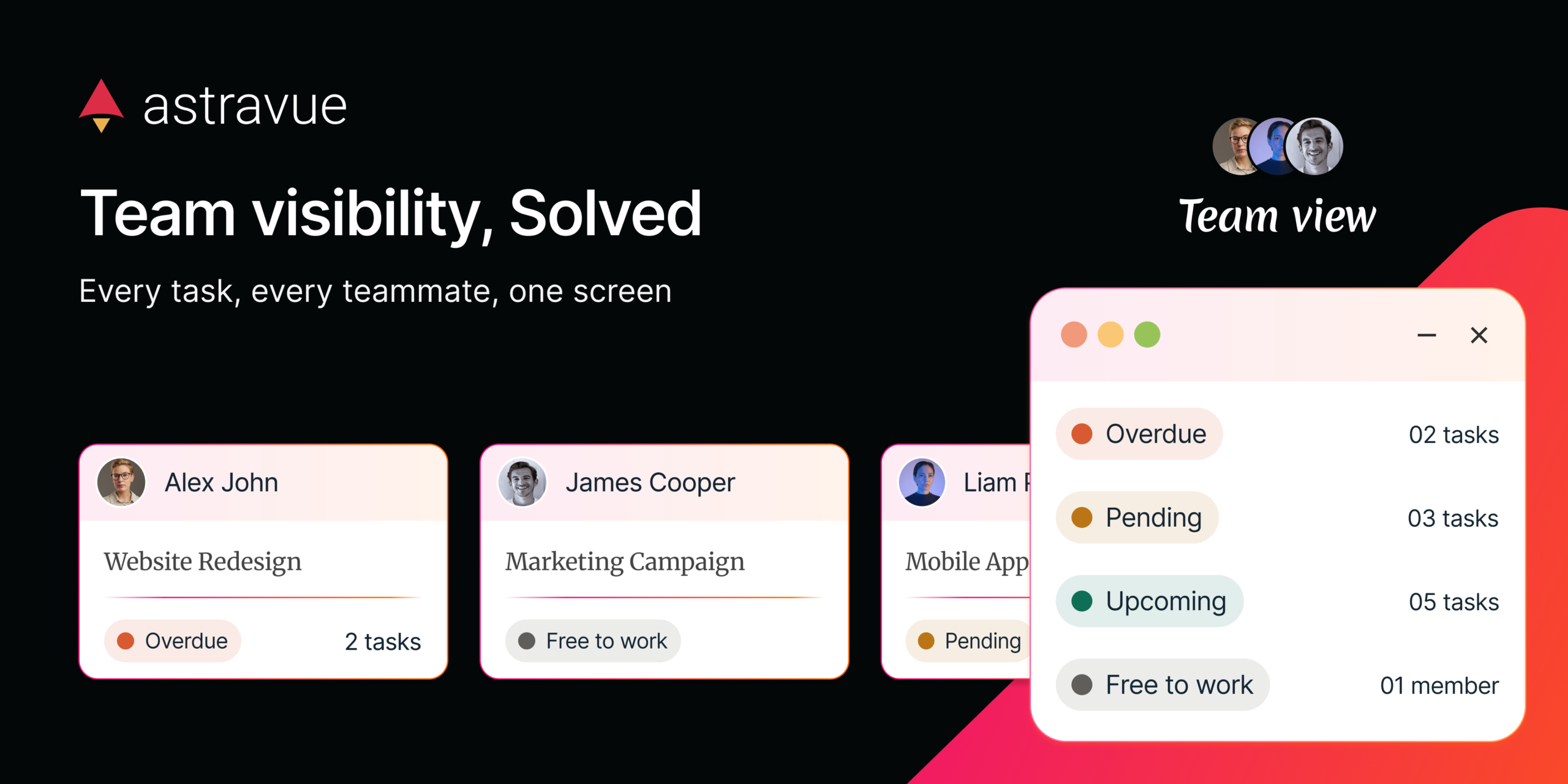
That’s why we built Astravue. It gives PMOs and delivery heads the view from the pass: all work in one place, a clear owner on every task, live workload across people and projects, and reports that build themselves, so you stop chasing updates on Thursday evening.
Here’s how Astravue maps to the five basics.
Want to see it with your own projects?
Book a short Astravue demo. If you’d rather fix the foundations first, I also offer short delivery health checks and ongoing PMO advisory. Get in touch.
What is a PMO’s main job in project delivery? A PMO makes sure projects are run in a consistent, visible way. It sets up shared processes, tracks status and workload across projects, and helps leaders spot risks early.
Why do projects fail even with good people? Usually because the basics are missing: unclear ownership, no single source of truth, and no shared view of workload. Good people end up firefighting instead of delivering.
Should a PMO use Agile, Waterfall or a hybrid? It depends on the team and the work. Client projects with fixed deadlines often need more upfront planning, while internal product work can be more iterative. Watch how your team works before you pick.
How long does it take to stabilise a delivery team? For most teams, around 90 days: one month to make work visible, one month to build a steady rhythm, and one month to start scaling.
Does a PMO actually improve project success? PMI’s 2026 research found that organisations with a PMO were more likely to report strong success on complex projects. Using a structured framework also lifted success rates from 61% to 72%.
See the biggest culprits behind every delayed projects, and how...

See the biggest culprits behind every delayed projects, and how...
See the biggest culprits behind every delayed projects, and how...
See the biggest culprits behind every delayed projects, and how...